Sri Lanka is about the size of Ireland, and inside that space it holds ancient capitals, a tea plateau at 1,800 metres, two coastlines with opposite seasons, leopard country in the dry southeast and a Tamil north that feels culturally distinct from anywhere else. That variety is the appeal, and also the trap, because the island moves slowly. A 150-kilometre transfer can eat half a day, and a route drawn to include everything leaves you looking at the inside of a van.
So the useful question is which two or three parts of the country fit your time, your season and your pace. Before you settle a route, read our practical Sri Lanka guide for visas, weather, transport and money. This article is about where to go.
How to decide where to go
Hold a simple map. Colombo and the west are the arrival zone. Inland sits the Cultural Triangle, the dry-zone region of ruined capitals and rock temples. Kandy is the gateway between lowlands and hills. Above it the tea country around Nuwara Eliya is cool and high, and Ella, further along the same railway, is the hill country's most popular base. The coast from Galle to Tangalle is the beach belt most visitors use; the east, from Arugam Bay up to Trincomalee, is its seasonal opposite and quieter. The parks ring the dry lowlands. The north, centred on Jaffna, is least visited and asks for the most time.
Two things follow. The coasts are not interchangeable, since the southwest is at its best roughly December to March and the east roughly May to September. And the hills sit between the Cultural Triangle and the south coast, which is why the standard route runs north to centre to south rather than doubling back.
- Culture: the Cultural Triangle, then Kandy, Galle Fort and Jaffna.
- Beaches: the southwest in the European winter, the east in the European summer.
- Wildlife: Udawalawe and Yala in the south, Wilpattu in the northwest, Minneriya inland.
- Hiking: the hill country around Ella, Haputale and the Knuckles range.
- Food and city life: Colombo, and Jaffna for a very different regional kitchen.
- Surfing: Arugam Bay from around May to September, Weligama in winter.
- Quiet: Tangalle, Kalpitiya, the smaller hill towns, most of the north.
No region is objectively best. They are good at different things, and the season decides more than any ranking.
Colombo, and how long to give it
Colombo rewards a short stay rather than a checklist. Pettah, the old market district, is the most interesting hour in the city: streets of wholesalers organised by trade, with the striped Jami Ul-Alfar mosque in the middle. Fort has the colonial-era banking architecture, Cinnamon Gardens the National Museum, Galle Face Green the evening crowd and the food stalls. Food is the strongest reason to stay a night, since this is where Sri Lankan, Tamil and Muslim kitchens are all done seriously.
Plenty of travellers still use Colombo only as an arrival or departure stop, which is defensible. Traffic is heavy, the sea is not for swimming, and one day covers what most people want. If your flight lands late, Negombo is nearer the airport.
The Cultural Triangle
Between roughly the third century BCE and the thirteenth century CE, Sinhalese kings built successive capitals here, with irrigation works, monasteries and dagobas at a scale that surprises people expecting something modest. Four sites hold UNESCO World Heritage status, and they are genuinely different from one another.
Sigiriya and Pidurangala
Sigiriya is the one on the posters: a granite plug rising 180 metres from the plain, with a citadel on top, fifth-century frescoes and a staircase through the paws of a carved lion. The climb is around 1,200 steps in the open and punishing at midday, so go at opening or late afternoon. Anyone uneasy with heights or crowded metal stairways often prefers neighbouring Pidurangala, a rougher scramble with the better view of Sigiriya itself.
Dambulla, Polonnaruwa and Anuradhapura
Dambulla is five caves under an overhang, painted ceilings and more than 150 Buddha images, still an active place of worship. Under two hours, and easy to fold into the Kandy to Sigiriya drive.
Polonnaruwa repays a slow visit: compact enough to cycle, legible rather than abstract, with the carved Buddhas of Gal Vihara as the highlight. Anuradhapura is far older, more spread out and still a major pilgrimage centre, needing transport between clusters. For one capital only, Polonnaruwa is the easier introduction; Anuradhapura is more rewarding if archaeology and living pilgrimage matter more to you than convenience.
This is dry-zone country, so plan around heat rather than rain. These are also religious sites, so shoulders and knees stay covered and shoes come off where signs say; the practical guide covers the etiquette in full. Access and ticketing arrangements change, so confirm them before you go.
Kandy
Kandy was the last Sinhalese royal capital and holds the Temple of the Sacred Tooth Relic, the most significant Buddhist site in the country and a place of active pilgrimage rather than a museum. Evening puja, when drummers announce the opening of the shrine, is worth timing your day around. Otherwise the city is pleasant rather than spectacular: a lake to walk, a busy market, the Peradeniya Royal Botanical Gardens a short drive out, and slow traffic through a congested centre.
One night suits most itineraries, two if you want the gardens unhurried or you are there for the Esala Perahera procession in July or August. The nightly dance shows aimed at visitors are a fair introduction to costume and drumming, but they are a performance, not a window onto Sri Lankan culture generally.
Nuwara Eliya and the tea country
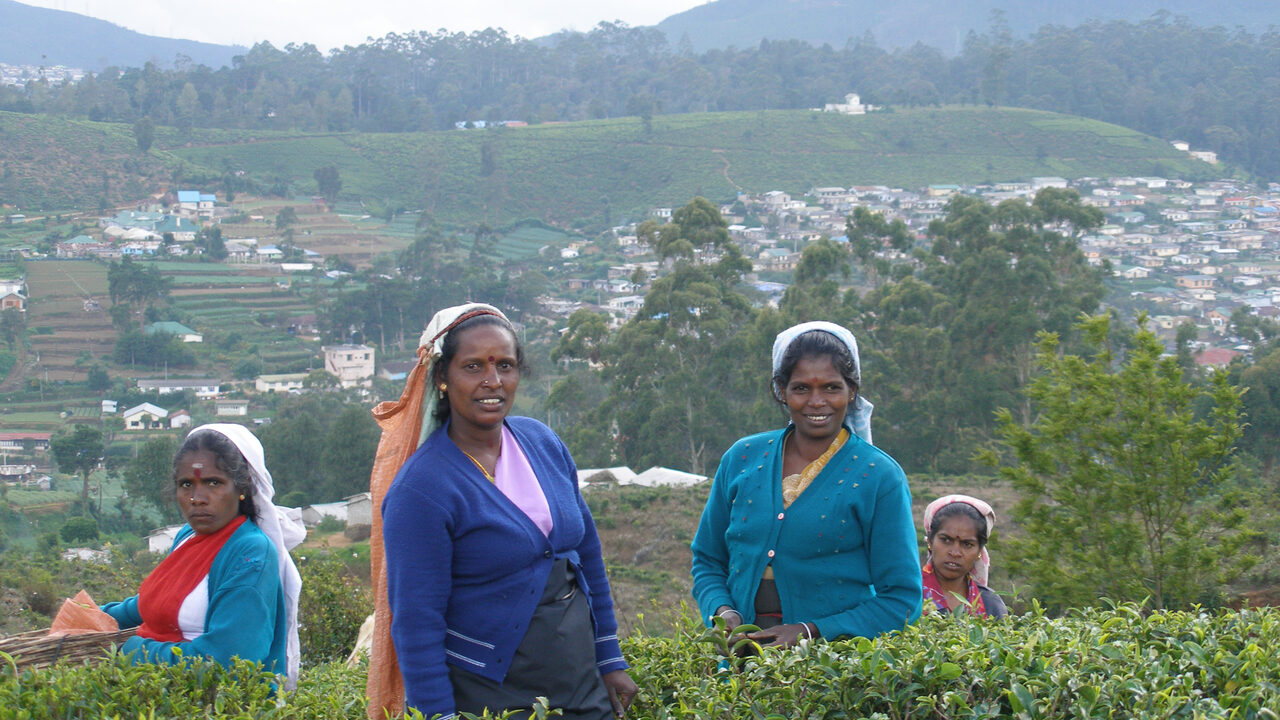
Climb from Kandy and the landscape changes completely: contoured tea, eucalyptus, mist, nights that drop to single figures. Nuwara Eliya sits at about 1,900 metres and was built as a hill retreat by British planters, which explains the hedges, the racecourse and the mock-Tudor hotels. Reactions divide. Some enjoy the cool air and the oddness of the architecture; others find the town scruffy and prefer to base themselves in Haputale or Ella and visit the estates on a day trip. A factory tour is worth doing once, with the history in mind: the plantations were built on indentured Indian Tamil labour, and the descendants of those workers still pick the leaf.
The main walk from here is Horton Plains, a high plateau of grassland and cloud forest with a nine-kilometre loop past World's End, a drop of several hundred metres. Cloud closes the view by mid-morning most days, which is why groups leave before dawn.
Ella and the hills around it
Ella is small, steep and thoroughly discovered. The Kandy to Ella railway is why most people come, and it deserves the reputation, running for hours through estates and past waterfalls. It is also among the most photographed train journeys in Asia, so reserved seats on popular departures go fast and unreserved carriages can be standing room only. Book early through the official system, or accept a view from your feet.
The walking around town is genuine. Little Adam's Peak is an easy hour with a wide view; Ella Rock is longer and less obvious, and a guide saves you a wrong turn. The Nine Arch Bridge, a colonial-era stone viaduct, is the set piece and busiest when a train is due. Cafés and hostels have multiplied along the main street, which is either convenient or grating depending on what you came for. If that sounds too busy, Haputale and the outlying valleys offer the same landscape with a fraction of the traffic. Weather turns fast up here and leeches appear after rain.
Galle and the southern coast
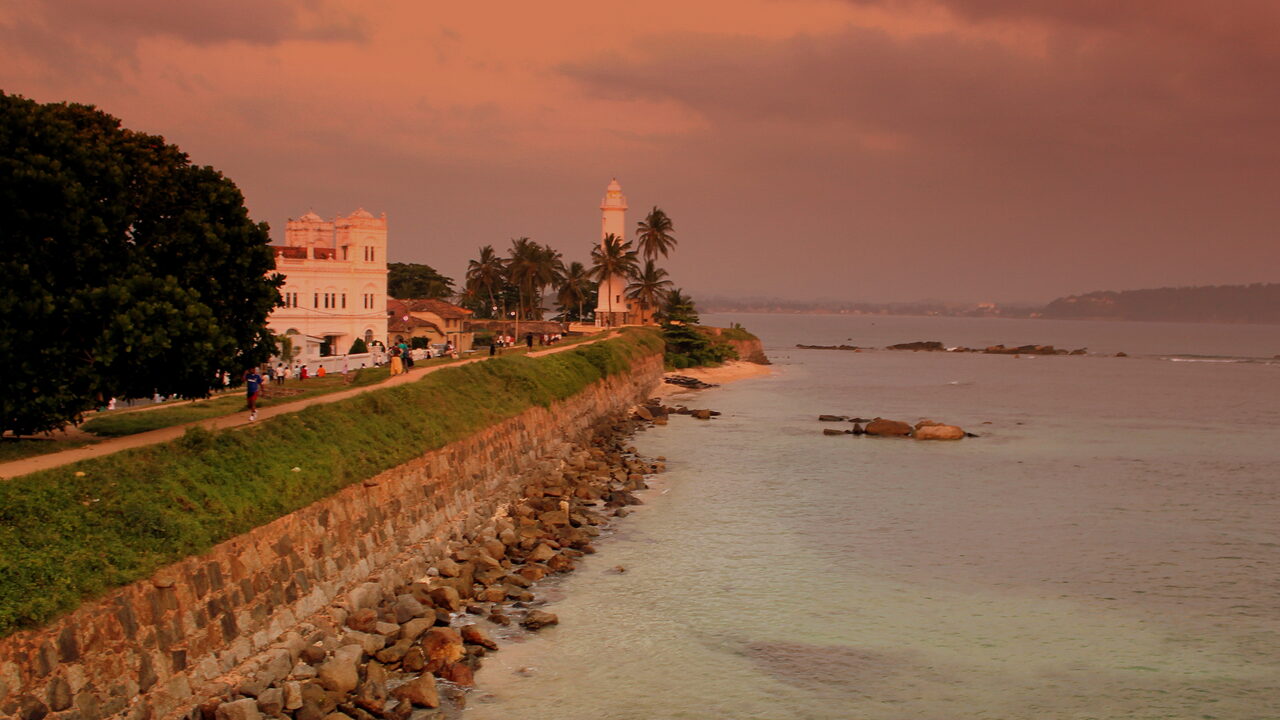
Galle Fort is not a beach town. It is an inhabited walled Dutch colonial port on a headland and a UNESCO World Heritage site: coral-stone houses, verandas, a working lighthouse, ramparts to walk at sunset, restored merchant villas now holding hotels and cafés. Half a day covers it, and staying inside the walls is a different trip from staying outside. The beaches spread either side, and they are not alike.
- Unawatuna is the easy all-rounder, a curved bay near Galle with plenty of guesthouses, busy in season.
- Weligama has the long shallow bay where most people take a first surf lesson.
- Mirissa is the whale-watching harbour and the liveliest after dark, on a small beach that fills up in January and February.
- Hikkaduwa is the oldest resort strip, with reef snorkelling and a level of development some travellers happily skip.
- Tangalle is where the coast opens into wider, quieter and generally pricier beaches.
Sea conditions vary sharply by beach and month, and many beaches have no lifeguard, so ask locally before swimming rather than trusting a photograph. Whale and dolphin trips run from Mirissa in the southwest season; sightings are never guaranteed, and it is worth choosing an operator that keeps a legal distance instead of chasing animals. Places to stay along this coast range from guesthouses in the fort to beach hotels further east.
The eastern coast
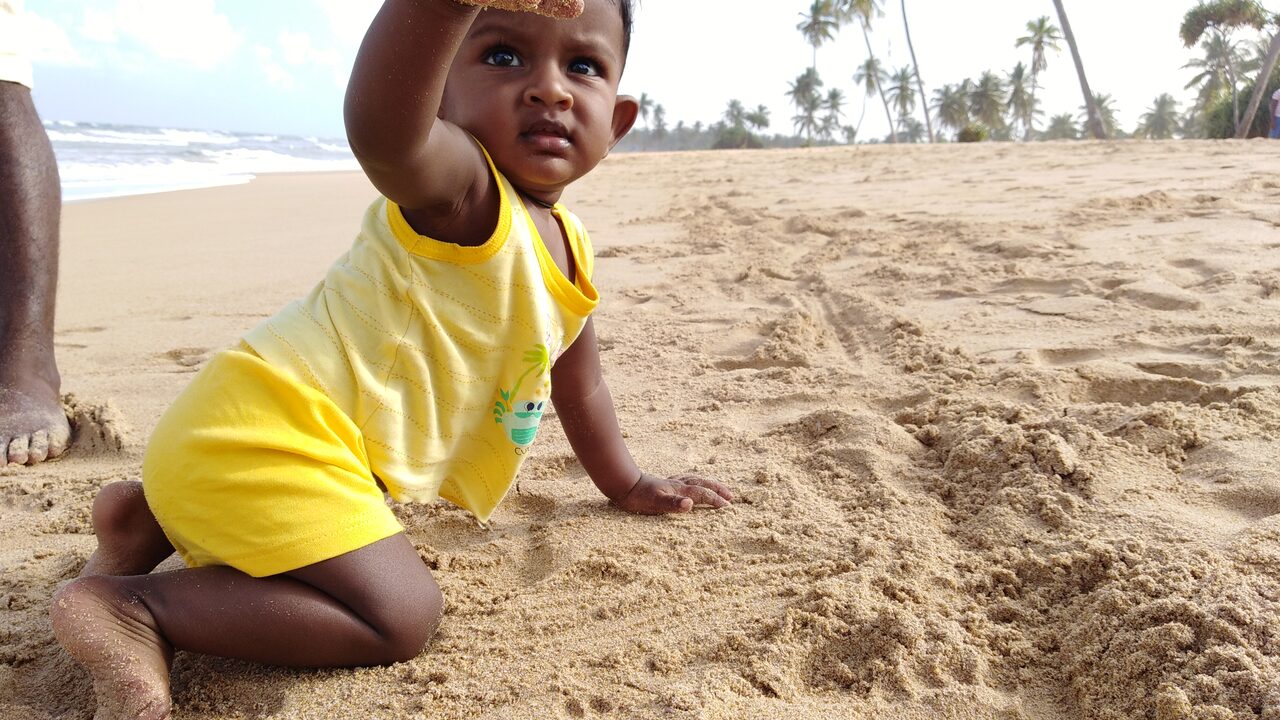
The east is the other half of the seasonal equation, at its best roughly May to September when the southwest is wet, and less developed, which means fewer restaurants and hotels and a calmer feel.
Trincomalee has the deep natural harbour, the Koneswaram temple on the cliff at Swami Rock, and a real town rather than a resort strip. Uppuveli and Nilaveli just north are the long beaches most visitors stay on, with Pigeon Island offshore for snorkelling, where reef damage from heavy visitor numbers is a live concern. Pasikuda further south has shallow, calm water and larger resorts. Arugam Bay, at the southeastern corner, is different again: a right-hand point break, a season running from around April or May to September, and a village of surf camps that empties outside it. It is a long drive from anywhere except Ella, which is why the two are often combined.
Wildlife and national parks
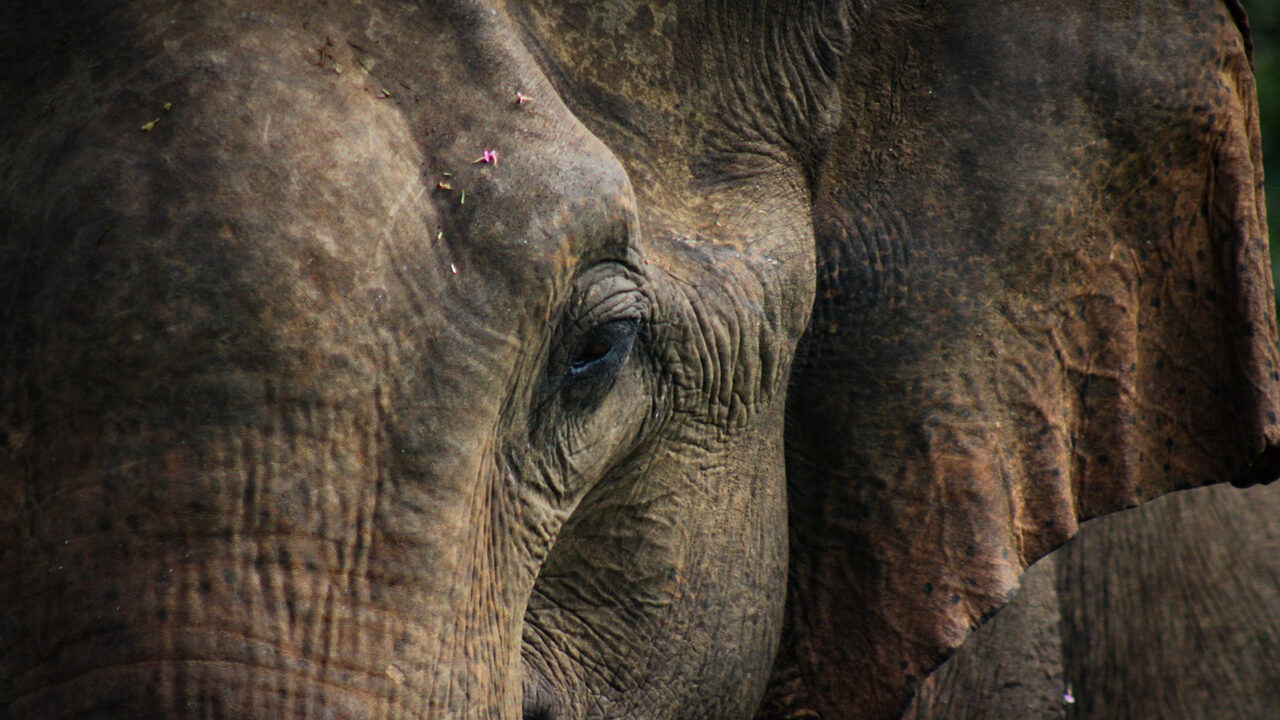
Sri Lanka has close to the highest densities of leopard and wild elephant in Asia, but the parks differ enough that choosing badly is easy.
Udawalawe is the reliable elephant park: open scrub around a reservoir, resident herds year round, sightings close to certain on a single morning drive. It is the best first safari and the easiest with children.
Yala has the leopards and the highest visitor numbers. Block 1 concentrates both, and at peak times a sighting draws a queue of jeeps, which is unpleasant and stressful for the animals. The busiest blocks also close for several weeks most years for ecological recovery, so check current access with the Department of Wildlife Conservation before building a route around it.
Wilpattu in the northwest is larger, denser and much quieter, with a network of natural lakes; sightings take longer and feel less managed. Inland, Minneriya and neighbouring Kaudulla are known for large elephant gatherings at the reservoirs late in the dry season, roughly August and September, and which park holds the animals shifts with water levels.
No sighting is guaranteed anywhere, and that is normal. Book a half day rather than a dash between two parks, ask whether the operator stays on tracks and keeps distance, and avoid anything offering elephant rides, bathing or hands-on contact.
Park boundaries, opening blocks and seasonal closures change. Confirm access and current regulations with the Department of Wildlife Conservation shortly before you travel.
Jaffna and the north
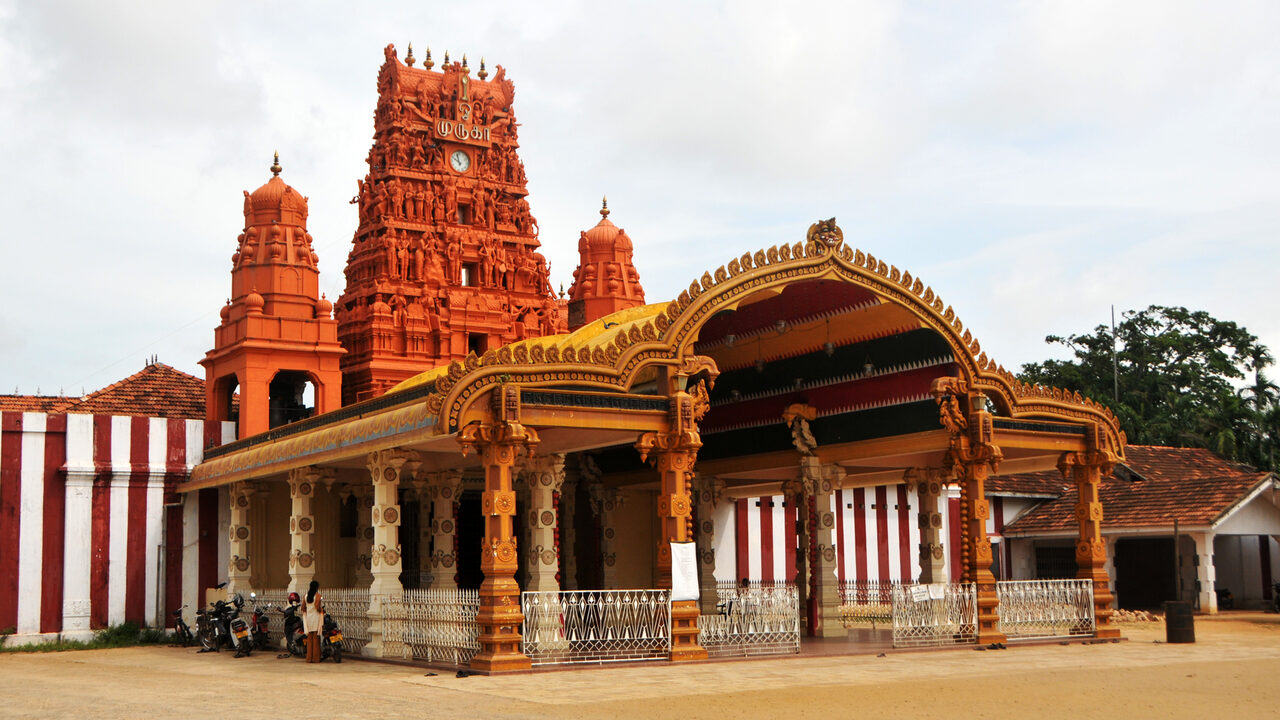
The Jaffna peninsula is the most culturally distinct part of the country: Tamil-speaking and largely Hindu, with its own kitchen built on crab and seafood and a heavier hand with spice. The Nallur Kandaswamy temple is its centre of gravity. The Dutch fort by the lagoon, the public library burned in 1981 and later rebuilt, and the ferry islands of Kayts, Nainativu and Delft fill several unhurried days.
The peninsula was central to the civil war that ended in 2009, and the effects are visible in rebuilt buildings, memorials and communities still working through displacement and loss. Read something about that history before arriving, ask questions carefully rather than treating it as sightseeing, and expect accounts of the conflict to differ depending on who is telling them.
Jaffna is a long way from everywhere. Direct trains run from Colombo and a stop at Anuradhapura on the way makes sense, but it does not slot into a fortnight that also wants the hills and a beach.
Quieter alternatives
Haputale trades Ella's cafés for estate walks and misty ridges on the same railway line. Tangalle offers wide southern beaches without Unawatuna's density, though you need transport for anything beyond your hotel. Kalpitiya on the northwest coast is a kitesurfing base with a lagoon, dolphin trips and very little else, which is the point. The Knuckles Mountain Range east of Kandy is the choice for serious walking: cloud forest, village trails, a guide required in places, weather that turns without warning. Each costs you convenience, which is usually the trade being made.
Building a route around your trip length
Treat these as shapes rather than itineraries, and adjust for season.
| Trip length | A route that works | Why |
|---|---|---|
| Around one week | Cultural Triangle and Kandy, or the south coast with one park day | One or two areas only. Attempting both means four transfer days out of seven |
| Around ten days | Cultural Triangle, Kandy, two or three nights in the hills, then the south coast | The standard route, with one safari on the way down to the coast |
| Around two weeks | The same route, plus a second beach or longer in the hills, or the east in the southern summer | Room to stay two or three nights per base instead of one |
| More than two weeks | Colombo, the Cultural Triangle, Jaffna, then south through the hills to a coast | Long enough to reach the north or loop the east coast without rushing |
Whichever shape you choose, let the season pick the coast. Sending a January traveller to Nilaveli or an August traveller to Mirissa is the commonest planning error. The practical guide covers trains, buses and drivers in detail.
A final thought
Three bases in ten days show you more than six, because you spend the difference on an early morning at Sigiriya, an unhurried afternoon in Galle Fort or a second game drive. Choose the version of the island that matches your season and leave the rest for a return trip.
Frequently asked questions
Where should you go on a first trip to Sri Lanka?
The Cultural Triangle, Kandy, the hills around Ella and one southern beach cover the main contrasts and connect logically. Add Udawalawe and that is a complete first visit in ten to fourteen nights.
Which part of Sri Lanka has the best beaches?
Neither coast wins outright, because their seasons are opposite. December to March favours the southwest from Hikkaduwa to Tangalle; May to September favours the east from Arugam Bay up to Nilaveli.
Is Ella worth visiting?
Yes for short hikes, tea-estate scenery and the hill railway, provided you accept that it is busy and geared to visitors. For the same landscape with fewer people, stay in Haputale and take the train through Ella.
Should you choose Yala or Udawalawe?
Udawalawe for near-certain elephants, easier access and fewer vehicles. Yala for a chance of a leopard, with more crowding in Block 1 and seasonal closures to check first. Wilpattu is the quieter option in the northwest.
How many places can you visit in ten days?
Three or four bases. Roads and mountain railways are slow, so each extra stop costs most of a day in transit. Four nights across two places generally beats one night in each of four.
Is northern Sri Lanka worth the journey?
For travellers with more than two weeks, or returning visitors, Jaffna and its islands are the most distinctive region culturally. On a first ten-day trip the distances are hard to justify.
Which places in Sri Lanka suit families?
Udawalawe for wildlife, the calm shallow water at Pasikuda in the east or Tangalle in the south, and the hill country for cooler days. Sigiriya's exposed climb and Colombo's traffic are the two stops to think twice about with small children.