Most first trips to Thailand follow the same shape: Bangkok, a flight north to Chiang Mai, then a flight south to Phuket, Krabi or Koh Samui. It works, which is why so many people do it. It is also why those places absorb most of the country's tourism while provinces two hours away stay comparatively empty.
Nothing on this list is undiscovered. Khao Sok is in every guidebook and Thai families have driven to Khao Kho for years. What these places share is that international itineraries still skip them, so they feel different even in high season.
Reaching them takes more planning: a train instead of a flight, a shared van instead of a taxi, a ferry on a seasonal timetable. That rarely costs more. The biggest budget leak on most trips is not the airfare, it is booking a private car for every leg. For seasons, visas and general planning, our Thailand Travel Guide covers the basics this article assumes.
The 15 places at a glance
Editorial shorthand, not a scoring system. "Getting there" reflects how many connections you need from a major airport. The cost column refers to transport rather than hotels.
| Place | Best for | Getting there | Transport cost |
|---|---|---|---|
| Koh Yao Noi | Slow island days, kayaking, couples | Easy | Budget-friendly |
| Koh Kood | Beaches, nature, couples | More effort | Mid-range |
| Koh Mak | Small-island cycling, quiet stays | More effort | Mid-range |
| Khanom | Gulf beaches, local coastline | Moderate | Budget-friendly |
| Nan | Temples, food, northern culture | Moderate | Budget-friendly |
| Mae Hong Son | Mountain scenery, road travel | More effort | Mid-range |
| Chiang Dao | Hiking, caves, cool nights | Easy | Budget-friendly |
| Sangkhlaburi | Lake setting, border culture | More effort | Budget-friendly |
| Khao Sok | Rainforest, Cheow Lan Lake | Easy | Budget-friendly |
| Trang Islands | Island hopping, snorkelling | Moderate | Mid-range |
| Koh Mook | Emerald Cave, low-key beaches | Moderate | Budget-friendly |
| Phatthalung | Wetlands, birdlife, rural south | Moderate | Budget-friendly |
| Nakhon Si Thammarat | Southern food, temples, city life | Easy | Budget-friendly |
| Lampang | Northern architecture, slow city | Easy | Budget-friendly |
| Khao Kho | Highland views, road trips | More effort | Higher without a car |
Quieter islands
1. Koh Yao Noi
Koh Yao Noi sits in Phang Nga Bay with Phuket on one side and Krabi on the other, and it is easy to overlook because those two dominate the planning. Days here are quiet: rubber plantations, fishing villages, small resorts, limestone islands on the horizon. Kayaking and boat trips are the activity, and swimming is tidal rather than postcard, with wide mudflats at low water on the east coast. If you want a big choice of restaurants, dive shops or a hospital nearby, come for the day instead.
Longtails and speedboats run from Bang Rong pier on Phuket and Thalane in Krabi. Take the scheduled public boat rather than chartering, and let your hotel arrange the island pickup, which is usually shared and cheaper.
2. Koh Kood
Koh Kood (also written Ko Kut) lies near the Cambodian border in Trat province, which is why it stays quieter than anything within reach of Phuket. The west coast beaches are the reason to come, with waterfalls, mangrove channels and roads you can cover in a day. Evenings are low-key: no bar strip, little to do after dinner.
Ferries from Laem Sok pier are frequent from roughly October to mid-May, then reduce during the southwest monsoon, when some resorts close. Getting there takes most of a day from Bangkok: bus or flight to Trat, then a boat of about an hour. Combined bus-and-boat tickets beat assembling a private car and speedboat separately.
3. Koh Mak
Koh Mak is Koh Kood's smaller neighbour, and choosing it is a decision about scale. You can cycle across it, the two main beaches are shallow and calm, and most places to stay are family-run. Local operators have pushed low-impact tourism here for years, which shows in how little has been built.
The limits are real: few restaurants, no nightlife, limited medical facilities and the same seasonal boat pattern as Koh Kood. It works best as a few slow nights combined with Koh Kood, since boats run between the two in high season.
4. Trang Islands
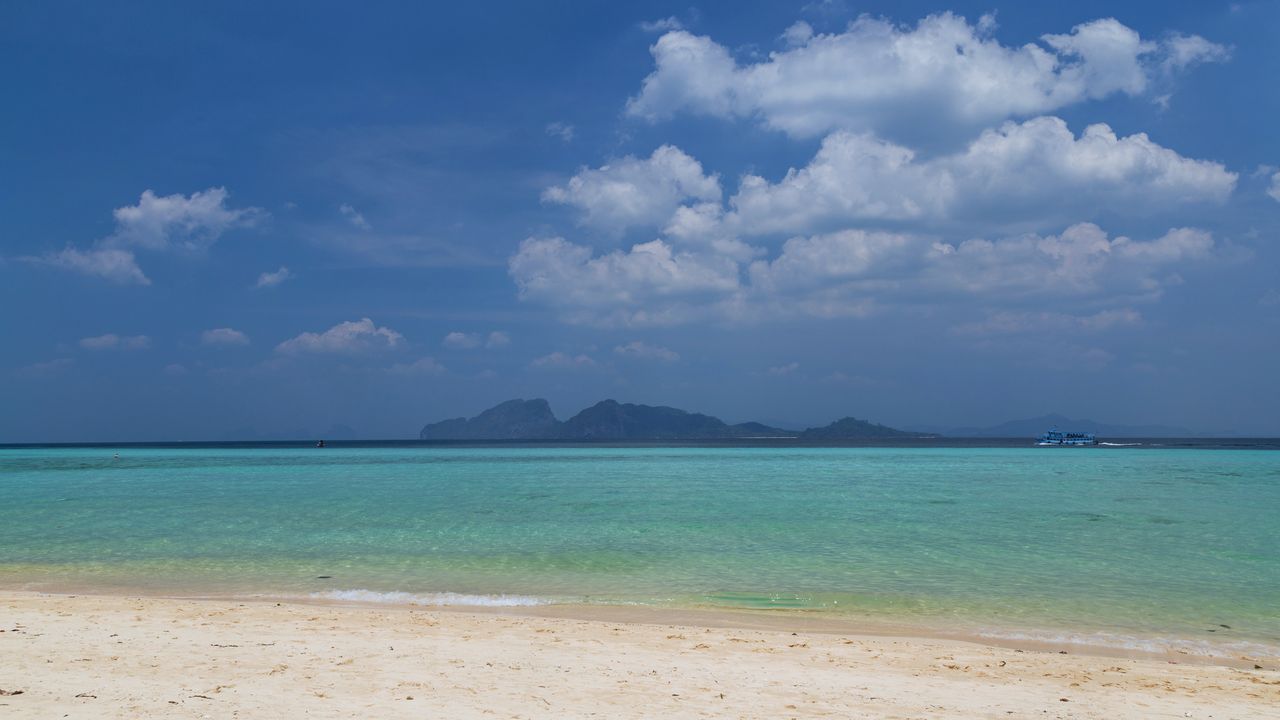
South of Krabi, the Trang archipelago has water and cliffs comparable to Phi Phi with a fraction of the boat traffic. Koh Kradan is the beach island, Koh Ngai small and resort-led, Koh Libong larger and more local. Island hopping happens on scheduled longtails rather than day-trip catamarans.
Services thin out or stop during the monsoon months, roughly May to October, and smaller resorts close. Trang town has an airport and a railway station, so an overnight train from Bangkok plus a shared van to the pier is one of the cheapest ways to reach a genuinely good Thai beach.
5. Koh Mook
Koh Mook belongs to the same group and is known for Tham Morakot, the Emerald Cave, where you swim through a dark sea tunnel into a lagoon ringed by cliffs. You will not have it to yourself: day boats arrive in waves, and access depends on the tide and the drier months. Arriving before the tour fleet changes it completely. The island has a working Muslim village, one long beach and a few guesthouses rather than a resort strip.
The southern mainland
6. Khanom
Khanom sits on the Gulf coast across the water from Koh Samui and receives almost none of Samui's visitors. The beaches are long and gold-brown rather than white, and mostly empty on weekdays. The appeal is ordinary Thai coastal life: seafood places with plastic chairs, a few mid-range resorts, waterfalls in the hills behind town.
Boat trips go out to look for the pink Indo-Pacific humpback dolphins here. No operator can promise a sighting, and any that does deserves suspicion. Pick boats that keep their distance. Access is easy: shared van from Surat Thani, or a short drive from Nakhon Si Thammarat airport.
7. Phatthalung
Phatthalung is inland, on the edge of Thale Noi, a shallow lake known for lotus beds, fish traps and waterbirds. Early morning boat trips among the lotus are the reason to come, in a province where tourism is incidental. Birdwatchers and photographers get the most from it. There are no international restaurants or tours on demand, and on a short trip you can skip it without regret.
8. Nakhon Si Thammarat
One of the oldest cities in southern Thailand and one of the least visited by foreigners. Wat Phra Mahathat Woramahawihan is the historical anchor, but food is the real argument for two nights: khanom jeen with southern curries, roti stalls, old coffee shops, and chilli levels Bangkok softens for visitors.
It pairs neatly with Khanom or the Trang islands. Trains from Bangkok and flights from both Bangkok airports serve the city, so it is among the easier places here to reach. Compare fares on Holidair Flights before assuming the train is better value.
Northern Thailand beyond Chiang Mai
9. Nan
Nan is a small province against the Laos border with an old town you can walk in an afternoon. Wat Phumin is why it appears in Thai art history books: its 19th-century murals of local life are unusually detailed, and the temple is small enough to feel unmanaged. Outside town are mountain roads, coffee villages and Doi Phu Kha National Park.
If you want more of the north without tour-bus infrastructure, Nan is the logical next step, better suited to a second trip than to a packed ten days. Flights from Bangkok take about ninety minutes, and overnight buses run. Once there you need a scooter or car, because transport between villages is limited.
10. Mae Hong Son
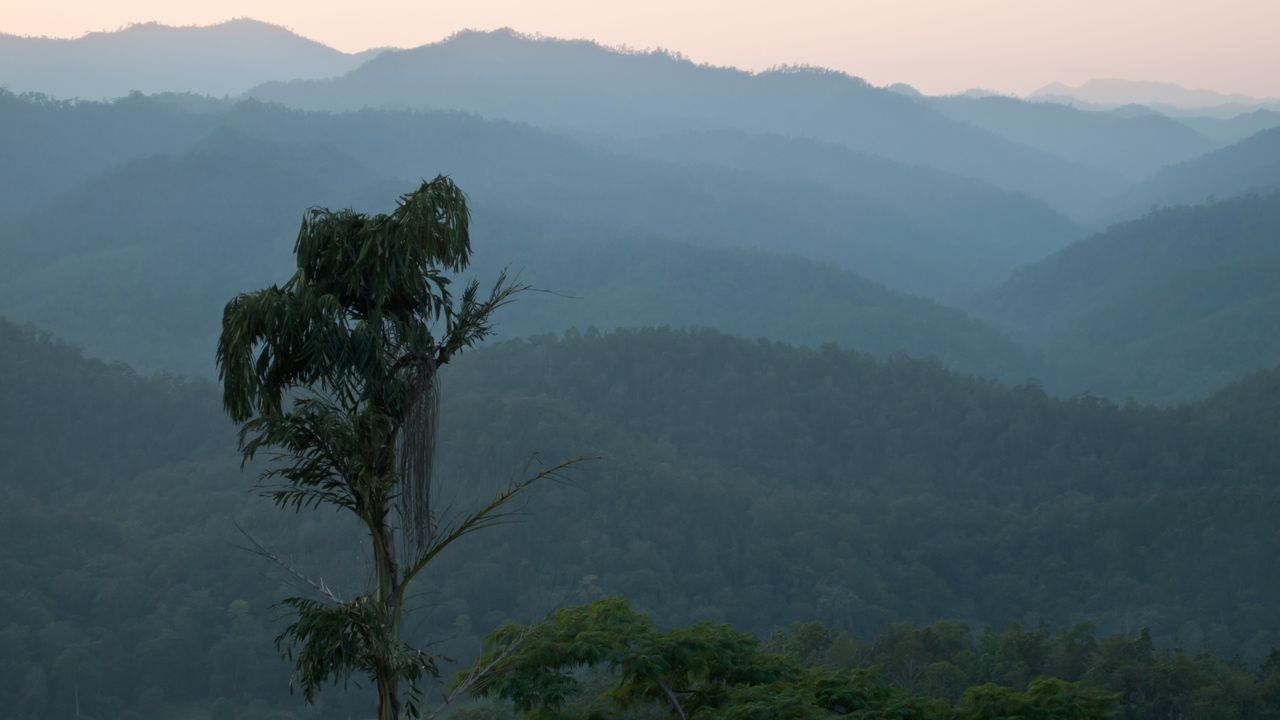
The north-west corner of the country: mountains, cool-season mist, Shan and Karen villages, and a small lakeside town with Burmese-style temples. The famous approach is the loop from Chiang Mai via Pai and Mae Sariang, more than a thousand curves each way, a pleasure on a motorbike and rough on anyone prone to travel sickness.
One leg of the loop takes most of a day, and doing it properly needs four nights or more, so leave it out of a seven-day trip. Short flights from Chiang Mai skip the road; buses are cheapest.
11. Chiang Dao
Chiang Dao is ninety minutes north of Chiang Mai under the third-highest mountain in Thailand, and it is the easiest addition on this list: limestone cliffs, the cave complex at Wat Tham Chiang Dao, birdwatching, hot springs, cooler nights, small guesthouses. Treat it as an extension of a Chiang Mai stay, two or three nights being enough. Summit hikes on Doi Luang Chiang Dao need park permits, licensed guides and the right season, so check current rules before you travel.
12. Lampang
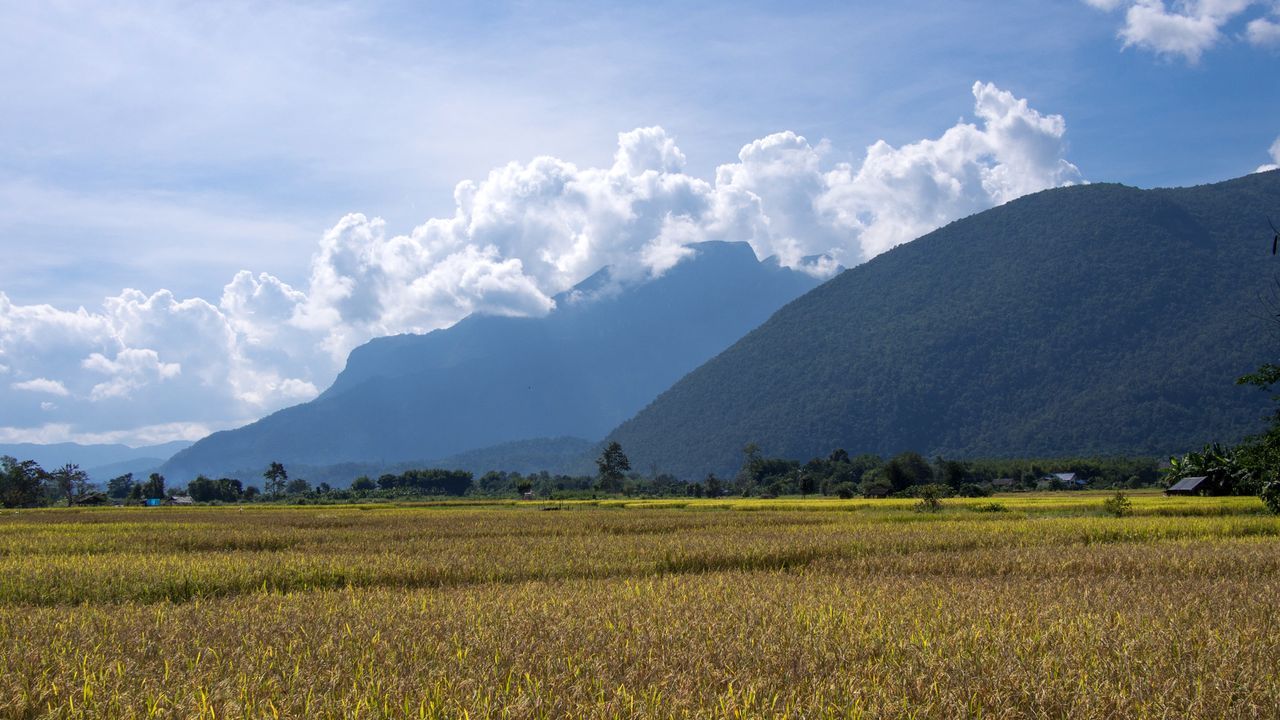
Lampang is ninety minutes by road or a short train ride south of Chiang Mai and gets a fraction of its visitors, mostly because itineraries have no room left. The argument is architectural: Wat Phra That Lampang Luang, one of the finest wooden Lanna temple complexes in the country, plus teak shophouses, riverside cafés and a night market aimed at residents. One or two nights is the right dose. Horse carriages are a local tradition; if animal welfare matters to you, the old quarter is easy to walk.
Rainforest, lakes and highlands
13. Khao Sok
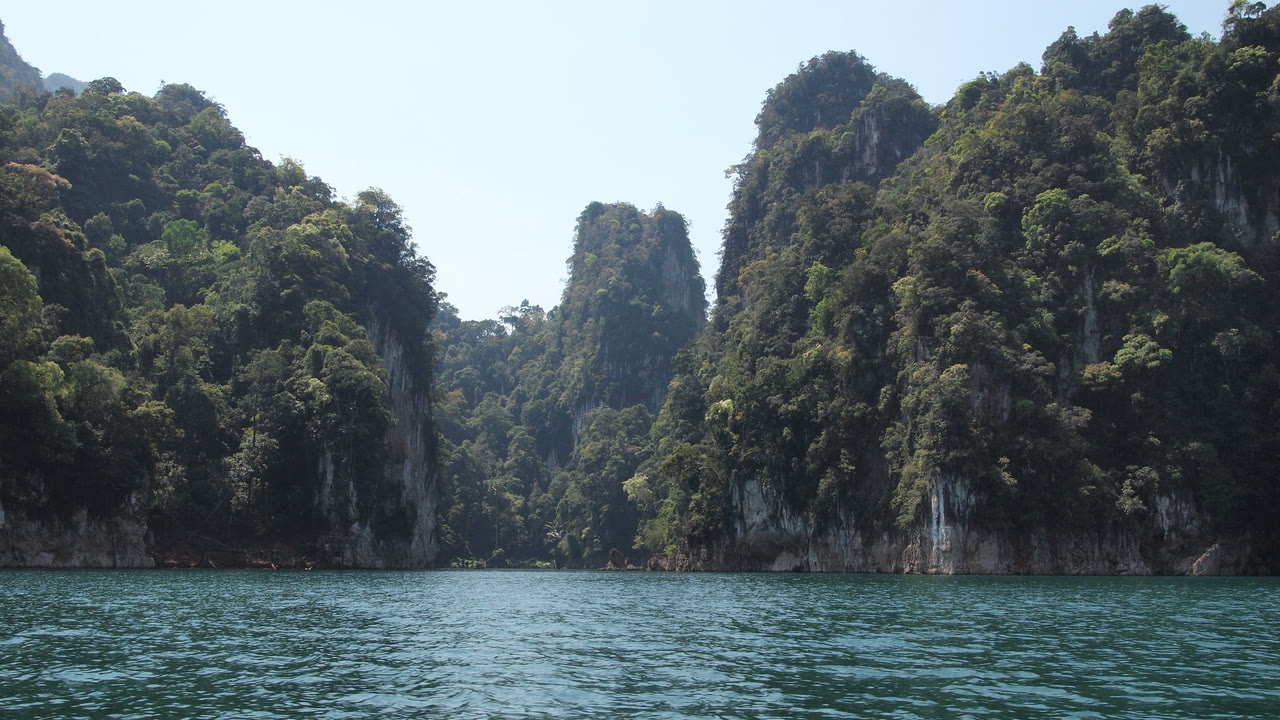
Khao Sok is not hidden any more. It is on this list because so many first trips run Bangkok, Chiang Mai, beach, and never touch the rainforest in between. The park protects some of the oldest evergreen forest in the region, and at Cheow Lan Lake, created by the Ratchaprapha dam, limestone towers rise straight out of the water.
Understand the geography before booking. Khao Sok village, on the highway, holds the cheaper guesthouses, jungle walks and tubing, about ninety minutes from the lake pier. Floating raft houses are on the lake itself, sold as one or two-night packages with boat transport and meals. Wildlife is genuinely wild: gibbons and hornbills are heard more than seen.
Shared vans from Phuket, Krabi and Surat Thani are the cheapest way in. Park entry is charged per person per day, and parts of the park close seasonally, so confirm conditions with the park authority first.
14. Sangkhlaburi
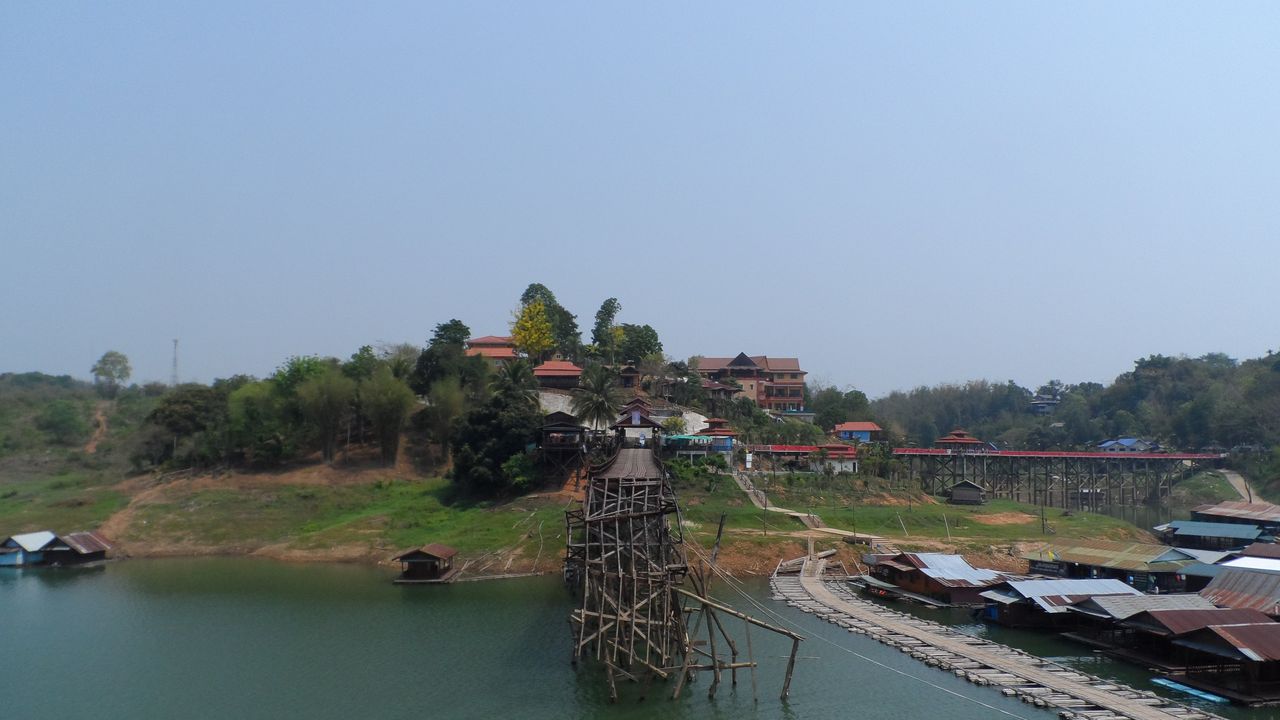
Sangkhlaburi is in the far west of Kanchanaburi province near the Myanmar border, on a reservoir that flooded an old town. The long wooden Mon Bridge crosses to a Mon community with its own language, food and temple, and at low water the spire of a submerged temple breaks the surface. Mornings on the lake are the point of being here.
The journey is the price: five to six hours by road from Bangkok, about three from Kanchanaburi town. Daily buses and shared vans from Kanchanaburi are inexpensive, which makes this one of the cheapest remote-feeling trips in the country. Give it two nights, because arriving and leaving on consecutive days is mostly bus time.
15. Khao Kho
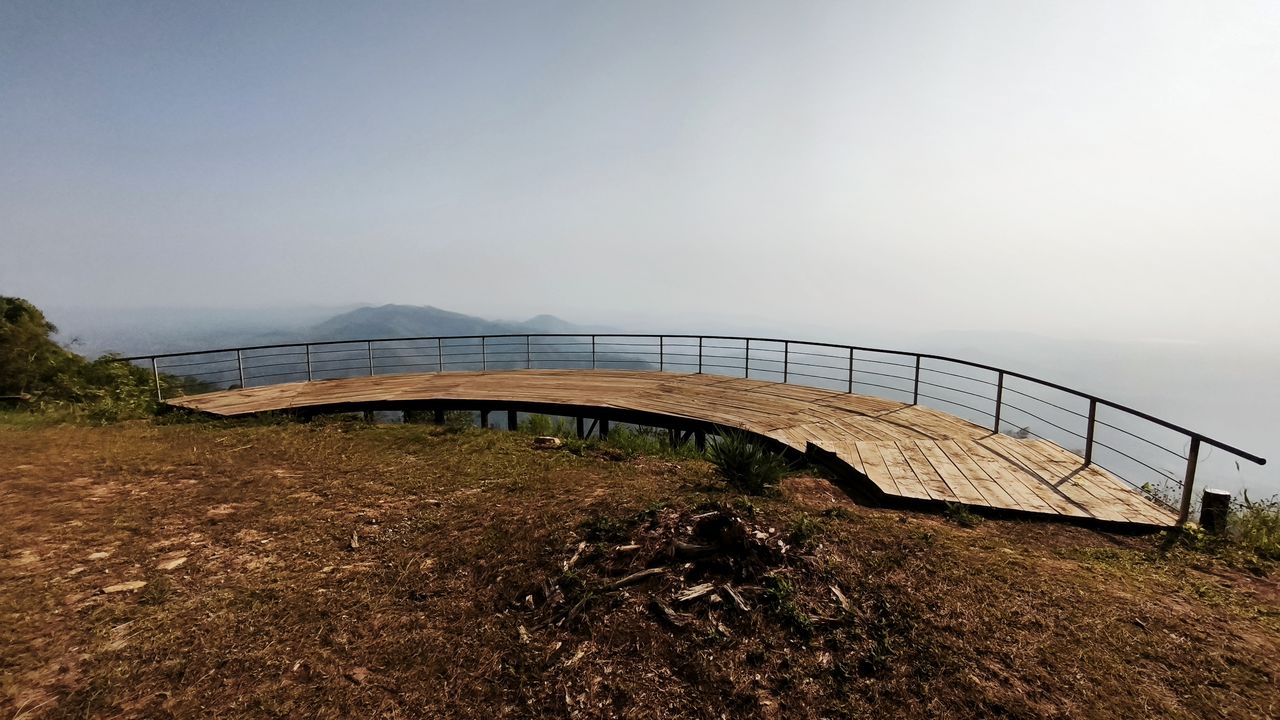
Khao Kho, in Phetchabun province, is a highland district Thai visitors treat as a cool-weather weekend escape: ridge-top viewpoints, coffee stops, flower gardens and morning mist from around November to February. Foreign travellers are scarce, which is most of the appeal.
Transport is the catch. There is no airport and no useful public transport between viewpoints spread along mountain roads, so you need a rental car or a driver. Weekends and Thai holidays fill the better hotels. If you are not driving, postpone this one.
How to spend less getting around Thailand
Thailand has one of the better transport networks in the region, and the cheap option is rarely the uncomfortable one.
Domestic flights
Flying earns its price when the alternative eats a full day. Compare the total, not the headline fare: low-cost carriers price bags, seats and airport transport separately, and two airport journeys can cost more than the ticket. Search routes on Holidair Flights, then price the bag before deciding.
Trains
Overnight trains work best on the long northern and southern lines, where a second-class air-conditioned sleeper covers a night of accommodation as well as the journey. They are not automatically cheaper than a promotional flight fare, and classes differ enormously. Book sleepers early in high season.
Long-distance buses
Buses reach what trains do not, including Trat and Kanchanaburi. Operators leaving from the main government terminals are a safer bet than unmarked tourist coaches sold cheaply on the street.
Shared minivans
Minivans are the backbone of regional travel: Surat Thani to Khao Sok, Kanchanaburi to Sangkhlaburi, Trang to the piers. A seat costs a fraction of a private car. The trade-offs are legroom, luggage space and a driving style that varies by driver.
Ferries and combined tickets
For islands, one joint ticket covering van, ferry and onward pickup is usually cheaper and calmer than arranging each segment. On short hops such as Phuket to Koh Yao Noi, walking up to the pier and paying the public fare wins. Timetables move with the season, so confirm sailings close to your date.
Songthaews, tuk-tuks and ride-hailing
Shared songthaews run fixed routes in most towns for small change. In larger centres, ride-hailing apps show the fare before you accept, useful as a reference when a tuk-tuk quotes five times the going rate. Coverage in small towns is thin, so do not plan a rural route around it.
Scooters
Scooter rental is cheap, and that is the worst reason to do it. Road casualty rates are high and most travel insurance excludes riders without a motorcycle entitlement plus an International Driving Permit. Helmets are required. If you have never ridden, a quiet island lane is not a training ground, and hiring a driver for a day costs less than a medical repatriation.
When a private transfer is the right call
Private transport is not the enemy of a budget. Four people splitting one car often pay less per head than four minivan seats, and a late arrival with children and luggage is when a fixed price and a named driver earn their keep. Book a car through Holidair Transfers for airport arrivals; for a mid-trip hop between towns, check the shared van first.
Spending less once you are there
- Move less. Two nights in each of two places can cost more in transfers, boats and lost hours than four nights in one.
- Stay a street back from the main beach or temple. The gap between a seafront room and one five minutes inland is large, and comparing options on Holidair Hotels takes a minute.
- Eat where there are Thai customers. Restaurants facing a famous sight charge for the view, and often for a menu in six languages.
- Withdraw larger amounts less often, since Thai ATMs charge a fixed fee per foreign withdrawal. Use machines at bank branches.
- Choose to be charged in Thai baht whenever a card terminal offers your home currency. That conversion rate is set by the terminal and rarely favours you.
- Consider shoulder months. Late April to early June and September to October are cheaper, remembering that the Andaman and Gulf coasts have different wet seasons.
- Do not assume a hostel beats a hotel. For two people sharing, a simple guesthouse room is frequently the same price as two dorm beds.
A local data eSIM pays for itself when you are checking a ferry departure or calling a driver who speaks no English. Holidair's travel eSIM is one way to land with data already working.
If you like this, consider this
| If you were planning | Consider | What changes |
|---|---|---|
| Phuket | Koh Yao Noi | Slower days and the same bay scenery, at the cost of nightlife, restaurant choice and easy medical care |
| Koh Samui | Koh Kood or Khanom | Quieter beaches and lower prices, but a longer journey and fewer flights |
| Phi Phi day trips | Trang islands | Similar water with far fewer boats, in exchange for a more seasonal timetable |
| Chiang Mai only | Nan, Lampang or Chiang Dao | Northern culture without the tour infrastructure, and less English spoken |
| Two southern beaches | One beach plus Khao Sok | Rainforest and lake scenery instead of a second beach, with two extra transfers |
You do not need to visit all fifteen
Most of these places belong on a trip as substitutions rather than additions. Every extra stop means another checkout, another van or boat, and often a day that produces nothing but a bus window. On a seven-day holiday, two bases is plenty. Ten to fourteen days is comfortable with three.
A useful test before adding a destination: if getting there and back eats more hours than you will spend awake enjoying the place, it belongs on the next trip.
Travelling here without spoiling it
Small places notice visitors more than Patong does. Cover shoulders and knees at temples, take your shoes off where others do, and ask before photographing people, particularly in the ethnic minority villages of the north. Marine park rules on anchoring and touching coral exist for a reason. Skip anything offering rides, shows or close contact with captive wild animals, and treat a guaranteed wildlife sighting as a warning rather than a selling point.
Hidden Thailand FAQ
Are there still less touristy places in Thailand?
Yes, although less touristy rarely means empty. Provinces such as Nan, Phatthalung and Phetchabun see mostly Thai visitors, and islands like Koh Kood and Koh Mook stay quiet compared with Phuket even in high season.
Which Thai islands are quieter than Phuket?
Koh Yao Noi and Koh Mook sit close to the main Andaman routes but are far calmer. Koh Kood, Koh Mak and the Trang islands are quieter still, largely because they take longer to reach and have shorter ferry seasons.
What is the cheapest way to travel around Thailand?
Ground transport used the way residents use it: shared minivans and buses between towns, songthaews inside them, second-class sleeper trains on long routes, and public ferries instead of chartered boats.
Is it cheaper to fly or take the train in Thailand?
It depends on the route and how early you book. A promotional domestic fare can beat a sleeper berth, but the flight adds two airport journeys and baggage fees, while an overnight train also saves a hotel night.
Is Khao Sok worth visiting?
For anyone who wants rainforest and lake scenery rather than a second beach, yes. Two or three nights is enough, and it sits conveniently between Phuket, Krabi and Surat Thani.
How many places should I visit on a two-week Thailand trip?
Three bases, four at most. Each move costs half a day once you count checkout, transfer and settling in, and quieter destinations usually involve slower connections than the main resorts.
Ferry timetables, park access, seasonal closures and fees change. Published September 2026. Check current details with the Tourism Authority of Thailand, the Department of National Parks, the State Railway of Thailand and the Marine Department before booking.